Construction jobs in Norway - 264–300 NOK an hour for EU/EEA tradesmen
Rates verified against Arbeidstilsynet · 10 Aug 2026 · statutory, not estimated
EU/EEA citizens only - you can start work in Norway without a visa or permit. We can't place US or other non-EEA citizens; that route needs an employer-sponsored work permit, which we don't provide.
What experienced trades earn
270–300
NOK per hour · ≈ €25–€27
264.32
Statutory floor - skilled
239.61
Statutory floor - new entrant
The short answer
A construction worker in Norway earns at least 239.61–264.32 NOK per hour by law (about €22–€24), depending on qualifications. Experienced trades we place typically get 270–300 NOK/h. You need an EU/EEA passport and an HMS card; Norwegian is not required. Tax for new foreign workers is a flat 25% (PAYE).
Open construction jobs in Norway right now
Live roles first, then the trades we recruit for continuously. If nothing matches today, apply anyway - we contact you when a site opens.
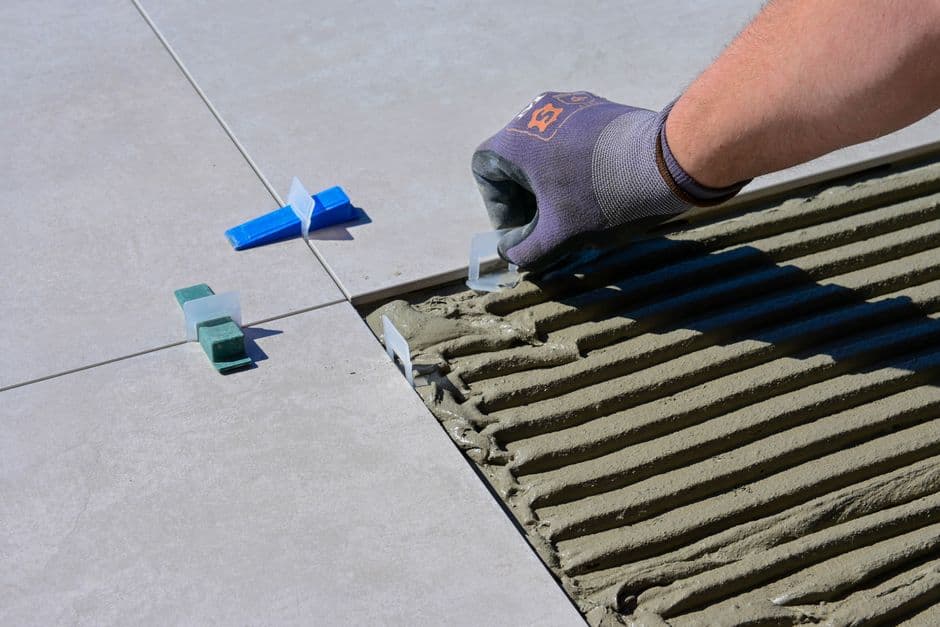
Experienced Tiler for Luxury Homes
We are seeking a highly skilled and experienced Tiler to work on luxury residential projects across Norway. The ideal candidate will have a keen eye for detail, a strong work ethic, and a proven track record of delivering high-quality tiling work in premium settings. Responsibilities: Prepare surfaces for tiling, ensuring they are clean, level, and dry. Accurately measure, cut, and lay various types of tiles (ceramic, porcelain, natural stone, etc.). Apply grout and sealants, ensuring a flawless finish. Adhere to project specifications, timelines, and quality standards. Maintain a clean and organised work area. Requirements: Proven experience as a tiler, specifically with high-end or luxury projects. Excellent knowledge of tiling techniques, materials, and tools. Strong attention to detail and precision. Ability to work independently and as part of a team. Good communication skills. Working Conditions & Benefits: Start date: As soon as possible. Housing is provided, with a monthly cost of approximately 5000 NOK (deducted from salary). Opportunity to work on prestigious projects in Norway.
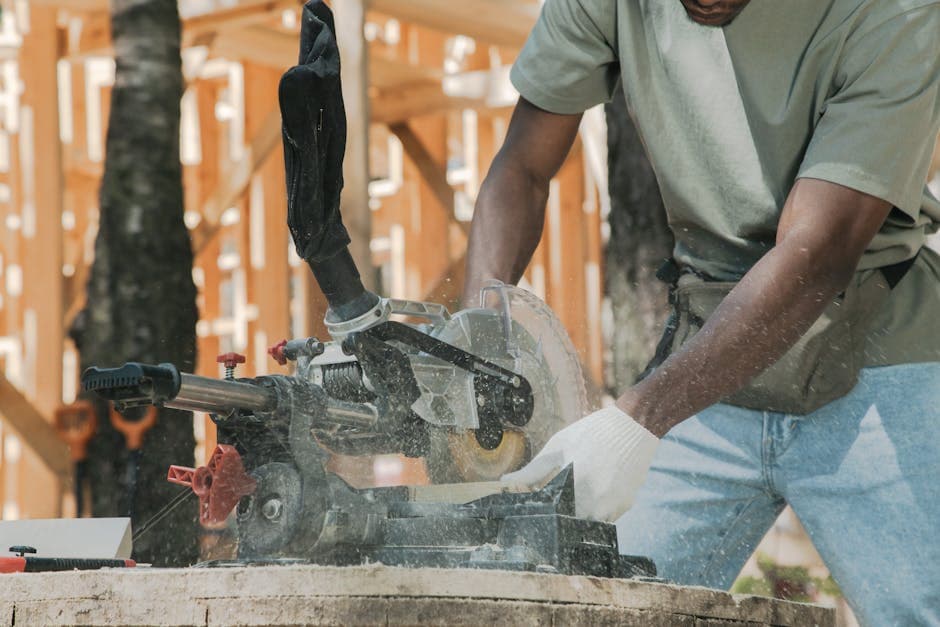
Skilled Carpenters - Tromsø, Norway
We are seeking experienced and skilled Carpenters to join our team in Tromsø, Norway. This is an excellent opportunity for dedicated professionals looking for long-term employment in a beautiful and calming city. Responsibilities: Wood framing Insulation work Interior finishing and renovation Ensuring high-quality workmanship in all tasks Requirements: Proven experience as a Carpenter, particularly in wood framing, insulation, and interior work. Ability to work independently and as part of a team. Strong work ethic and attention to detail. Commitment to quality and safety standards. Working Conditions & Benefits: Competitive monthly salary ranging from €3,500 to €5,000. Full-time, ongoing position. Accommodation is provided, with costs deducted from salary. Opportunity to live and work in Tromsø, a super nice city known for its stunning nature and peaceful environment.
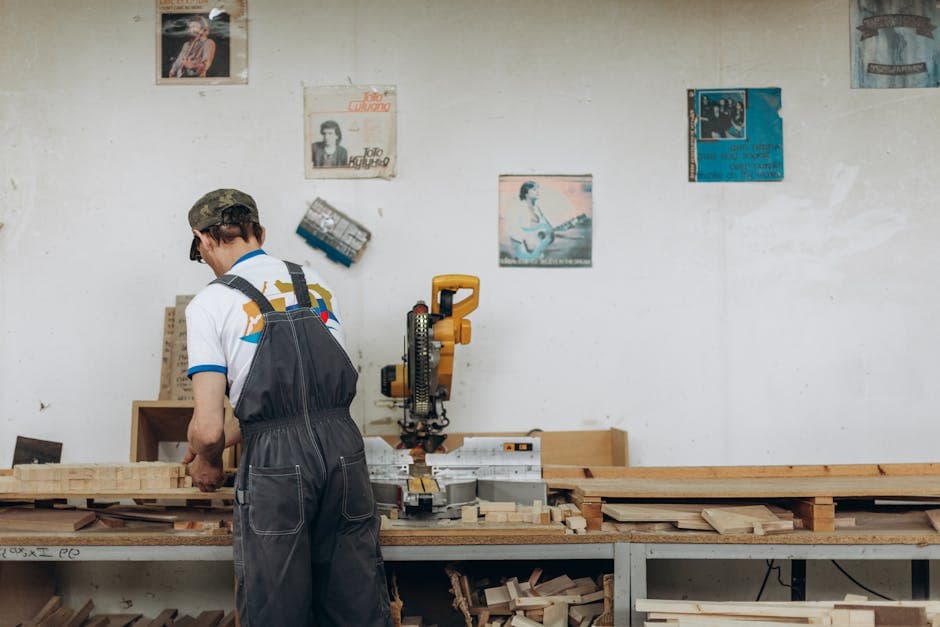
Experienced Facade and Renovation Carpenter - Tromsø, Norway
We are seeking skilled and experienced construction workers specializing in facade work and renovation to join our team in Tromsø, Norway. The ideal candidate will have a proven track record in constructing and renovating wooden facades, demonstrating precision and a strong work ethic. Responsibilities: Installation and renovation of wooden facades. General renovation tasks on various construction projects. Ensuring high-quality finishes and adherence to building codes. Working independently and as part of a team. Maintaining a clean and safe work environment. Requirements: Minimum of 3-5 years of experience in facade work and general renovation. Proficiency in working with wooden structures and materials. Ability to work independently and manage tasks efficiently. Strong problem-solving skills and attention to detail. Valid driver's license is an advantage. Good communication skills in English are preferred. Benefits: Competitive salary based on experience and qualifications. Opportunity for long-term employment for dedicated and skilled individuals. Work in a dynamic and supportive environment. Assistance with accommodation arrangements can be provided. Working Conditions: Start Date: As soon as possible. Employment Type: Full-time, with potential for long-term commitment. Location: Tromsø, Norway.
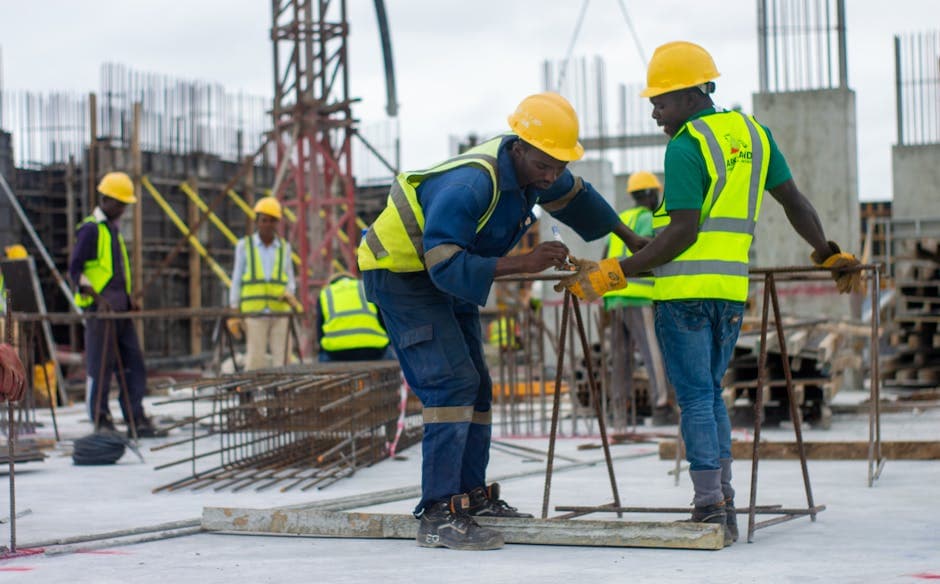
Precast Concrete Worker - Tromsø, Storsteinnes
We are looking for skilled Precast Concrete Workers to join our team in Tromsø/Storsteinnes, Norway. This role involves working indoors in a production factory, manufacturing various concrete elements for walls, floors, and other structures based on technical drawings. Responsibilities: Producing precast concrete elements according to technical specifications. Performing rebar/steel fixing. Executing formwork carpentry. Ensuring quality and precision in all production stages. Requirements: Proven experience as a precast concrete worker, rebar/steel fixer, and/or formwork carpenter. Ability to read and interpret technical drawings. Strong attention to detail and commitment to quality. Ability to work effectively in a factory environment. Working Conditions & Benefits: Employment Type: Full-time until summer, with the possibility to resume work after the summer vacation period. Accommodation: Free accommodation provided. Location: Work takes place indoors at our production factory in Storsteinnes, near Tromsø. Start Date: To be discussed during the interview process.
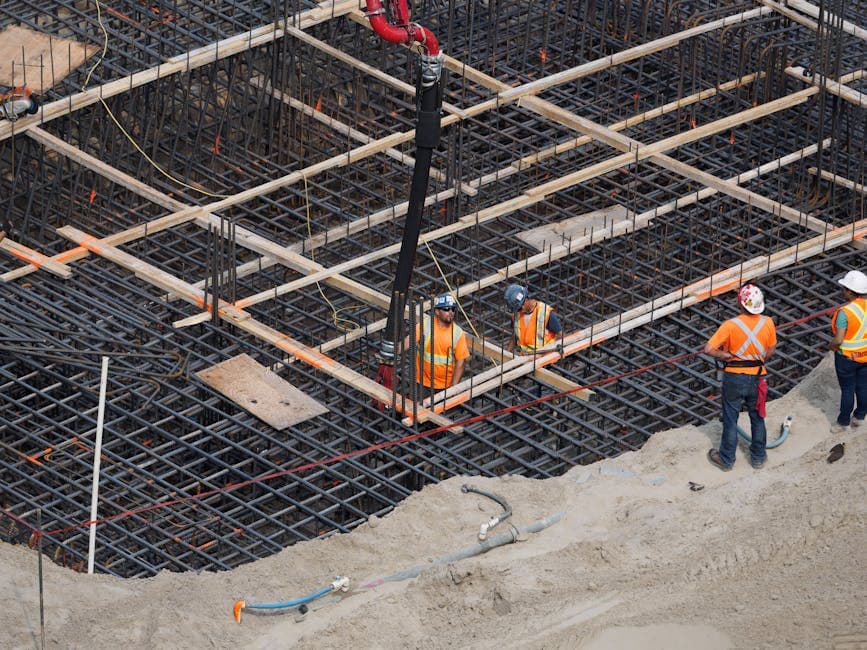
Experienced Concrete Worker - Tromsø, Norway
We are seeking a highly experienced and responsible Concrete Worker to join our team in Tromsø, Norway. The ideal candidate will be proficient in working independently or as part of a team, demonstrating expertise with concrete modules (such as Peri and similar systems). A crucial requirement is the ability to accurately read technical drawings and take initiative, including leading a small team when necessary. This is a long-term opportunity for a dedicated and skilled professional who can start soon. Responsibilities: Work with concrete modules (Peri and similar systems). Accurately read and interpret technical drawings. Perform concrete pouring, finishing, and curing tasks. Ensure high-quality workmanship and adherence to safety standards. Collaborate effectively with team members or work autonomously. Potentially lead a small team on specific tasks. Requirements: Proven experience as a Concrete Worker. Strong knowledge of concrete modules and formwork systems. Ability to read and understand construction drawings. High sense of responsibility and attention to detail. Proactive attitude and leadership potential. Ability to work effectively both independently and in a team environment. Eagerness for a long-term commitment. Working Conditions: Location: Tromsø, Norway. Start Date: Soon, for a long-term position.
Carpenter
tømrer
Ongoing recruitmentTromsø & northern Norway270–300 NOK/hWe place carpenters continuously on Norwegian sites. Wood framing, insulation and interior finishing - Norway builds far more in timber than most of Europe. Statutory minimum 264.32 NOK/h with a recognised trade certificate; 270–300 NOK/h typical with our partner employers. We hold your application and contact you when a site opens - currently placing in Tromsø and northern Norway. EU/EEA passport required.
Rolling · refreshed every 90 daysRegister →Formwork carpenter
forskalingssnekker
Ongoing recruitmentTromsø & northern Norway270–300 NOK/hWe place formwork carpenters continuously on Norwegian sites. Statutory minimum 264.32 NOK/h for skilled workers; 270–300 NOK/h typical with our partner employers. System experience (Doka, PERI) counts more than a certificate. We hold your application and contact you when a site opens - currently placing in Tromsø and northern Norway. EU/EEA passport required.
Rolling · refreshed every 90 daysRegister →Concrete worker
betongarbeider
Ongoing recruitmentTromsø & northern Norway239.61–300 NOK/hWe place concrete workers continuously on Norwegian sites. Statutory floor 239.61 NOK/h from your first shift, 264.32 NOK/h skilled; experienced crews sit in the 270–300 band. Helpers are taken - a year on a concrete crew is a year of sector experience. Currently placing in Tromsø and northern Norway. EU/EEA passport required.
Rolling · refreshed every 90 daysRegister →Rebar / steel fixer
armeringsarbeider
Ongoing recruitmentTromsø & northern Norway239.61–300 NOK/hWe place steel fixers continuously on Norwegian sites. Statutory floor 239.61 NOK/h, 264.32 NOK/h skilled; crews that hold a schedule through winter are valued and paid accordingly. Steel fixing is a skill Norwegian sites import. Currently placing in Tromsø and northern Norway. EU/EEA passport required.
Rolling · refreshed every 90 daysRegister →Scaffolder
stillasmontør
Ongoing recruitmentTromsø & northern Norway270–300 NOK/hWe place scaffolders continuously on Norwegian sites. Statutory minimum 264.32 NOK/h skilled; 270–300 NOK/h typical for crews documented for work above 9 metres under §17-4. Get your EU scaffolding qualification assessed before you travel. Currently placing in Tromsø and northern Norway. EU/EEA passport required.
Rolling · refreshed every 90 daysRegister →Welder
sveiser
Ongoing recruitmentTromsø & northern Norway270–300 NOK/hWe place welders continuously on Norwegian sites and fabrication shops. Statutory minimum 264.32 NOK/h skilled; certified welders with current coupons sit at the top of the 270–300 band. Say which methods and coupons you hold in your first message. Currently placing in Tromsø and northern Norway. EU/EEA passport required.
Rolling · refreshed every 90 daysRegister →Construction labourer
bygningsarbeider
Ongoing recruitmentTromsø & northern Norway239.61–249 NOK/hWe place construction labourers and helpers continuously on Norwegian sites. The law guarantees 239.61 NOK/h from your first shift, rising to 249 NOK/h after twelve months in the sector. Formwork, rebar and scaffolding crews take helpers most readily. Currently placing in Tromsø and northern Norway. EU/EEA passport required.
Rolling · refreshed every 90 daysRegister →
Ongoing recruitment means exactly that: we place these trades continuously with our partner employers, hold your application, and contact you when a site opens. It is not a single dated vacancy.
How much does a construction worker earn in Norway?
| Rate | NOK/h | ~EUR/h |
|---|---|---|
| Statutory minimum - skilled worker (fagarbeider) | 264.32 | ~€24 |
| Statutory minimum - 1+ year sector experience | 249.00 | ~€23 |
| Statutory minimum - new to the sector | 239.61 | ~€22 |
| Statutory minimum - under 18 | 162.44 | ~€15 |
| Typical rate with our partner employers - experienced trades | 270–300 | ~€25–€27 |
Statutory rates in force since 15 June 2025. Verified against Arbeidstilsynet · 2026-08-08
Statutory construction wage tiers in Norway, 2026
Take-home estimate
Experienced · no overtime
Modelled at the 25% PAYE flat rate for new foreign workers, €4,500 gross.
- Gross
- €4,500
- Tax (25% PAYE)
- −€1,125
- Accommodation (5,000 NOK)
- −€456
- Food
- −€300
≈ €31,428 a year, before any overtime supplements.
The best paid construction jobs in Norway
The statutory floors are the same for almost every trade, so the difference in what people actually take home comes from three things: skilled status, overtime, and rotation.
A recognised trade certificate moves you from 239.61 to 264.32 NOK an hour - around 43,000 NOK a year at full time, for a document you may already hold. Get your fagbrev equivalence assessed before you sign anything.
Beyond that, the trades our partner employers pay at the top of the 270–300 NOK band are the ones where a mistake is expensive to fix: formwork carpenters with Doka or PERI system experience, certified welders with current coupons, crane and machine operators holding valid G-certificates, and scaffolders documented for work above 9 metres under §17-4.
Rotation multiplies all of it. A 2/2 pattern at the skilled rate grosses around 484,000 NOK a year; the same rate on 2/3 grosses around 386,000. Same job, same hourly rate, roughly 98,000 NOK apart. The rotation table further down shows the full maths.
Construction jobs in Norway for foreigners - who can apply
If you hold an EU or EEA passport, you can work in Norway without a visa or work permit - you register after arrival, get a D-number and a tax card, and start. Most of the workers we place come from Latvia, Poland, Lithuania and other EU countries.
If you are a US, Indian, Filipino, Kenyan or other non-EEA citizen: we're sorry, but we cannot place you. Norway requires an employer-sponsored residence permit for skilled workers from outside the EEA, and that has to come directly from a Norwegian employer - not through an agency like ours. We'd rather tell you that now than waste your time.
Construction jobs in Norway for English speakers
Norwegian is not required on most sites. Site language on international crews is English, and safety briefings for foreign workers are given in English. Basic English is enough - enough to understand instructions, ask questions, and read safety signage.
You also have a legal right to an employment contract in a language you understand, before you travel. If an offer comes only in Norwegian, ask for a translation - a serious employer will provide one.
Construction jobs in Norway with no experience
You can start without construction experience: the law still guarantees you 239.61 NOK an hour (about €22), and after one year in the sector your minimum rises to 249 NOK. Labourer and helper roles are where most people start - formwork, rebar and scaffolding crews all take helpers.
Be honest with yourself about the physical side: this is outdoor work, in a Norwegian climate, lifting real weight. If you have never done physical work, start with a helper role rather than promising a trade you have not practiced.
Construction labourer jobs in Norway
Labourer and helper roles (bygningsarbeider, hjelpearbeider) are where most people without a trade start, and the law still guarantees you 239.61 NOK an hour - about €22 - from your first shift. After twelve months in the sector your floor rises to 249 NOK.
The crews that take helpers most readily are formwork, rebar and scaffolding. All three are physical, all three are outdoors, and all three are genuine routes into a trade: a year on a formwork crew is a year of sector experience, and it counts.
Be straight with yourself about the work before you apply. Norwegian winters are real, the lifting is real, and a helper who quits in week three costs everyone money. If you have never done sustained physical work, say so and start as a helper rather than claiming a trade you have not practised.
Construction jobs in Oslo, Bergen, Stavanger, Trondheim and Tromsø
Our own live vacancies are in Tromsø - that is where we place people today, and we would rather say so than pretend to national coverage. But construction demand in Norway is not evenly spread, and if you are deciding where to look, this is the honest map.
Construction jobs in Oslo
The largest construction market in Norway by a wide margin, and the most competitive to enter from abroad. Housing and commercial development, plus continuous infrastructure work around the Fornebubanen and inter-city rail. Rates sit at or slightly above the statutory floors; the catch is accommodation, which is the most expensive in the country and will eat the difference. We do not currently place in Oslo - when we do, the roles appear in the list at the top of this page.
Construction jobs in Bergen
Renovation, shipyard and marine-adjacent construction. A high share of rehabilitation work on older building stock, which suits carpenters and masons more than large-format formwork crews. Wetter than anywhere you have worked; budget for it.
Construction jobs in Stavanger
Energy-industry construction - onshore fabrication, modules, and maintenance work tied to the offshore sector. Higher proportion of certified welding and pipefitting than general building, and correspondingly higher rates for people who hold current coupons.
Construction jobs in Trondheim
University and hospital expansion, plus steady residential development. A mid-sized, stable market - fewer peaks than Oslo, fewer troughs too.
- We place here
Construction jobs in Tromsø
Where we place. A small city building steadily above the Arctic Circle: residential, hotel and public-sector work, with a labour market too small to staff itself, which is why foreign crews are normal here rather than exceptional. Winter is dark rather than brutally cold - the coast is milder than people expect - but plan for four months without meaningful daylight.
Hammerfest and the far north
Beyond the cities, the industrial projects in the far north around Hammerfest and Melkøya run on rotation and pay accordingly - see the rotation maths below before you commit to a pattern.
Construction companies in Norway - who is actually building
Knowing the contractors is useful even if you never apply to them directly, because on a Norwegian site the main contractor carries a legal duty called påseplikt - a duty to check that its subcontractors are paying the statutory minimum. If your wages are wrong, the main contractor's name on the gate is the most effective place to raise it after your own employer.
The largest contractors operating nationwide:
| Company | Base | Typically builds |
|---|---|---|
| Veidekke | Oslo | Buildings and infrastructure, Nordic-wide |
| AF Gruppen | Oslo | Building, civil, offshore decommissioning |
| Skanska Norge | Oslo | Large commercial and infrastructure |
| Peab | Nationwide | Housing and commercial |
| HENT | Trondheim | Turnkey commercial and public buildings |
| Consto | Tromsø | Residential and commercial, strong in the north |
| Betonmast | Oslo | Regional building contractor |
| Backe | Nationwide | Regional building group |
Two things to be clear about. We do not claim to place workers with all of these - the list is here so you can check who is building in a region and verify a site's main contractor. And a Norwegian construction site typically has one main contractor and a long chain of subcontractors; your employer will usually be somewhere down that chain, which is normal and legal, and does not change what you are owed.
Every construction trade in Norway - and what each one earns
All 25 construction trades, each with its Norwegian name - that is the word your site manager and your payslip will use. Trades with their own page are linked; the rest link to the section of this page that covers them.
- HiringCarpentertømrer
- HiringFormwork carpenterforskalingssnekker
- HiringConcrete workerbetongarbeider
- HiringRebar / steel fixerarmeringsarbeider
- HiringScaffolderstillasmontør
- Electricianelektriker
- HiringWeldersveiser
- Plumberrørlegger
- Pipefitterrørmontør
- HVAC / ventilationventilasjonsmontør
- Roofertaktekker
- Facade / claddingfasademontør
- Sheet metal workerblikkenslager
- Interior fit-outinnredningssnekker
- Renovationrehabilitering
- Drywall installergipsplatemontør
- Paintermaler
- HiringTilerflislegger
- Mason / bricklayermurer
- Insulation workerisolatør
- Crane operatorkranfører
- Excavator operatormaskinfører
- Steel erectorstålmontør
- Groundworksgrunnarbeider
- HiringConstruction labourerbygningsarbeider
Every trade on this list is covered by the same statutory floors (239.61–264.32 NOK/h by qualification). Electricians have their own, higher statutory scale.
Carpenter and formwork carpenter jobs in Norway
Carpenter (tømrer) is the most-hired trade in Norwegian construction. Wood framing, insulation, interior finishing and renovation - Norway builds far more in timber than most of Europe, so the volume of carpentry work is unusually high. A recognised fagbrev equivalent puts you on the 264.32 NOK skilled floor. The carpentry jobs in Norway we actually place, with rates, fagbrev value and winter work, are on the carpenter page linked below.
Formwork carpenter (forskalingssnekker) builds the moulds that concrete is cast into. It is consistently one of the hardest roles to fill in Norway, which is good news if you can do it. No certificate is required - what employers check is which system you have run: Doka, PERI, MEVA. Say which one, and how many square metres, in your first message. Experienced formwork crews sit at the top of the 270–300 NOK band.
Concrete worker and steel fixer jobs in Norway
Concrete worker (betongarbeider) and rebar / steel fixer (armeringsarbeider) are the other half of the same pour. Both are covered by the standard statutory floors, both take helpers, and both are common entry points for workers without a trade certificate.
Steel fixing in particular is a skill Norwegian sites import: the work is repetitive, exact, and physically punishing in winter, and crews that can hold a schedule through February are valued accordingly.
Scaffolding jobs in Norway
Scaffolder (stillasmontør) is the one trade where your paperwork determines exactly which jobs you can take. Training requirements step up with height, under the work-execution regulation:
- §17-2 - documented training for scaffolds 2–5 m
- §17-3 - 5–9 m
- §17-4 - above 9 m
Construction engineer and civil engineering jobs in Norway
Norway also hires heavily on the technical side: site managers (anleggsleder), project engineers, BIM coordinators, QA/QC and civil engineers for road, rail and tunnelling work.
These roles differ from the trades in three ways. Norwegian is far more often required, because the job is coordination. Pay is monthly salary rather than an hourly rate, and it sits outside the allmenngjøring minimums - so the statutory floors on this page do not apply to you. And a recognised engineering degree usually needs NOKUT assessment.
We place trades, not engineers. If you are an engineer, apply directly to the contractors listed above - most run English-language careers pages.
Your first two weeks: D-number, tax card, HMS card
Three pieces of paper stand between arriving and your first payslip. The D-number is your temporary Norwegian ID - your employer helps you apply. The skattekort (tax card) puts you on the 25% PAYE flat-tax scheme for foreign workers. The HMS card is mandatory on every construction site in Norway - your employer orders it once you are registered, and you cannot set foot on site without it.
A Norwegian bank account usually follows the D-number. Budget for the first weeks: wages are paid monthly in arrears, so bring enough to live on until the first payday.
How much tax you pay on Norwegian construction wages
Most people arriving for the first time go onto PAYE (kildeskatt), a flat withholding scheme built for short stays and new arrivals. For 2026:
- A flat 25% deducted at source, including national insurance.
- 17.4% instead, if you hold an A1 certificate keeping you in your home country's social security system.
- Available while your annual income stays under NOK 725,050 (2026 figure).
- No tax return. You file nothing and receive a receipt instead.
Two traps worth knowing about in advance
How rotation works - 2/2, 2/3 and 3/1 in days and money
| Pattern | Days worked/year | Hours/year · overtime (approx) | Gross per rotation (NOK) | Gross per year (NOK) | Net per year (25% PAYE) (NOK) |
|---|---|---|---|---|---|
| 2/2 | 183 | 1 830 / 30 | 37 005 | 483 706 | 362 780 |
| 2/3 | 146 | 1 460 / 0 | 37 005 | 385 907 | 289 430 |
| 3/1 | 274 | 2 740 / 940 | 55 507 | 724 237 | 543 178 |
| 4/2 | 243 | 2 430 / 630 | 74 010 | 642 298 | 481 724 |
Calculated at 10 hours/day on the skilled statutory minimum of 264.32 NOK/h. Overtime supplements (at least +40% by law, commonly +50% under collective agreements) come on top.
Read this before you sign a heavy rotation: 3/1 is roughly 2,740 hours a year against about 1,800 ordinary hours, so several hundred hours are legally overtime at at least +40% - real earnings run above this table - and it exceeds the overtime caps (200 h by individual agreement, 300 h with a union agreement) without an Arbeidstilsynet dispensation. If an employer offers 3/1 without mentioning overtime rates, ask why.
Construction jobs in Norway with accommodation
Almost every construction placement in Norway comes with accommodation arranged, because the sites are frequently nowhere near a rental market. Arranged is not the same as free, and the difference is where people get caught.
What normal looks like: a room in shared worker accommodation, 3,500–5,000 NOK a month, deducted from your salary, with the amount written into your contract before you travel. Our Tromsø roles work this way.
What Norwegian law requires: deductions from wages are limited, and must be agreed in writing in advance. A deduction that appears on your payslip but nowhere in your contract is not lawful, however reasonable the amount sounds.
Get these seven answered in writing before you fly
- How much, exactly, per month
- What it covers - heating, electricity, internet, laundry
- How many people to a room
- How far from site
- Whether transport to site is provided
- What happens to the deduction during off-rotation weeks
- Notice period if you leave
A serious employer answers all seven without hesitating.
Your rights on a Norwegian construction site
None of this is a recruiter's promise. It is Norwegian law, and every point can be checked at the source linked below.
- Construction minimum wages are legally binding for everyone on site: 239.61 NOK/h from day one, 249 NOK/h after a year in the trade, 264.32 NOK/h with a trade certificate. Find your tier and compare it with your payslip.
- Overtime: at least +40% by law. Collective agreements often pay more, so check what your contract says.
- Holiday pay is 10.2% of your year's wages. It is not a bonus, it is your money, paid out the following year.
- Rest: at least 11 hours off per day and 35 hours per week.
- Housing deductions from your wages are only legal when agreed in writing and kept within the limits the law sets.
- You have the right to a written contract in a language you understand, before you travel.
- You never pay to get a job. Charging a worker a recruitment fee is illegal.
- If something is wrong, Arbeidstilsynet, the Norwegian Labour Inspection Authority, takes reports in English and anonymously. In construction the Fellesforbundet union can help too.
Rates and rules verified at the source: Arbeidstilsynet · 2026-08-08
Questions construction workers ask
How much does a construction worker earn in Norway?
At least 239.61 NOK per hour by law if you are new to the sector, 249 NOK with a year of experience, and 264.32 NOK as a skilled worker - about €22–€24/hour. Experienced trades we place typically get 270–300 NOK/h. Overtime adds at least 40% by law.
Can a US citizen get a job in Norway?
Not through us - we place EU/EEA citizens only, because they can work in Norway without a permit. A US citizen needs an employer-sponsored skilled-worker residence permit issued before starting work, which must come directly from a Norwegian employer.
Which jobs are in demand in Norway?
In construction: concrete workers, formwork carpenters, carpenters, electricians and scaffolders are the trades we see hired most. Our current open roles are construction positions in Tromsø - the live list is on this page.
Do I need visa sponsorship for construction jobs in Norway?
Not if you hold an EU/EEA passport - you can start without a visa or work permit. Non-EEA citizens do need sponsorship, and we cannot provide it.
What is the minimum wage for construction work in Norway?
From 15 June 2025: 239.61 NOK/h new to the sector, 249 NOK/h with one year of experience, 264.32 NOK/h skilled (fagarbeider), 162.44 NOK/h under 18. These are law (allmenngjøring) and cover every worker on every site in Norway.
Do I need to speak Norwegian for construction work?
No. Basic English is enough on international crews, and safety instructions are given in a language you understand. You also have the right to a written contract in a language you understand.
Which country is best for construction jobs?
Norway pays among the highest construction wages in Europe and backs them with statutory minimums (264.32 NOK/h skilled) that apply to foreigners equally. Add the 25% flat PAYE tax for new foreign workers and rotation schedules, and the take-home for EU tradesmen is hard to beat.
Is accommodation included?
Usually not free, and be wary of anyone promising otherwise without a contract. The standard setup: the employer or we help you find a room, and you pay rent of typically 3,500–5,000 NOK a month. What is included must be written into your contract before you travel.
How is tax handled for foreign construction workers?
Most new foreign workers pay the PAYE flat tax of 25%, which includes national insurance - deducted at source, no tax return needed. It applies while your annual income stays under NOK 725,050 (2026); with an A1 certificate the rate is 17.4%.
What tools and equipment do I need to bring?
Employers provide machines, systems and safety equipment. Most trades bring their own basic hand tools and work clothes; the exact list belongs in your contract, so ask before you fly.
Are there bricklaying jobs in Norway?
Yes - masons (murer) are on the trades list, with the same statutory floors (239.61–264.32 NOK/h). Block and Leca systems are common; a recognised trade certificate (fagbrev equivalence) raises you to the skilled rate.
Are there construction jobs in Oslo?
Oslo is Norway's largest construction market and the big contractors all build there. Our own current vacancies are in Tromsø - check the live list above; when Oslo roles open, they appear there.
The words on your contract and payslip, decoded
Norwegian construction runs on a vocabulary of its own. These are the terms that decide your pay and your paperwork - each in plain English.
HMS-kort
The mandatory ID card for everyone on a Norwegian construction site. Your employer orders it once you are registered; without it you cannot enter the site. Valid two years.
fagbrev
The Norwegian trade certificate. A recognised foreign equivalent qualifies you for the skilled (fagarbeider) wage tier - the highest statutory floor.
allmenngjøring
The legal mechanism that makes collective-agreement minimum wages binding for every worker in a sector, foreign or Norwegian, union or not.
tariffavtale
A collective agreement between unions and employers. It usually pays above the statutory floors and commonly sets overtime at +50%.
forskalingssnekker
Formwork carpenter - builds the moulds concrete is cast into. One of the most hired trades in Norway; no certificate required, system experience is what counts.
stillasmontør
Scaffolder. Training requirements rise with height: documented courses under §17-2 (2–5 m), §17-3 (5–9 m) and §17-4 (over 9 m) of the work-execution regulation.
DSB-registrering
The approval electricians need from Norway's DSB to practice. EU qualifications are assessed on documents; the fee is 3,200 NOK and a permanent decision takes up to 4 months.
G-sertifikat
Competence certificates for crane classes (G1–G20), earned through certified safety training. A kompetansebevis does not expire.
kildeskatt (PAYE)
The 25% flat tax for new foreign workers. It includes national insurance, is deducted at source, and needs no tax return. 2026 ceiling: NOK 725,050.
skattekort
Your tax card. Order it after getting a D-number; without it employers must deduct 50% tax, so sort it before the first payslip.
D-nummer
A temporary Norwegian identification number for foreign workers - the key that unlocks the tax card, bank account and HMS card.
fagarbeider
A skilled worker holding a trade certificate. On construction sites this status carries the top statutory minimum of 264.32 NOK/h.
Arbeidstilsynet
The Norwegian Labour Inspection Authority - sets and enforces the minimum rates, runs the HMS card scheme, and takes worker tips in English.
påseplikt
The main contractor's legal duty to check that its subcontractors pay the statutory minimum. Useful to you if your wages are wrong.
rotasjon
Rotation work: fixed blocks on site and at home, like 2/2 or 2/3. Common on industrial projects; the math is on this page.
What workers say - and how to check it yourself
We do not publish invented five-star testimonials, and you should distrust any agency that does. Instead: check the employer in Norwegian public registers, ask to speak with someone already working there, and compare any offer against the statutory rates on this page. Signed, consented worker stories are published here as we collect them.
Apply for construction work in Norway
Pick your trade
- How Norway was built
- Renovating 1970s houses in Norway
- Norway's economy: why the country is so rich
- Carpenter jobs
- Formwork carpenter jobs
- Concrete jobs
- Scaffolding jobs
- Electrician salary
- Welding jobs
- Roofing jobs
- Facade jobs
- Pipefitter jobs
- Crane operator jobs
- With accommodation
- Why Norway needs construction workers
- All vacancies